
Low Energy Workouts: How I Stay Fit When I Have Very Little Energy
Can I admit something slightly embarrassing?
There was a time when, if I only stretched, I wouldn't even consider it as exercise. Like, "If it's not 30 minutes and slightly impressive, does it even count?"
If you love being active but your energy just isn't there, because of a chronic illness, chronic fatigue, or a season of life that's wrung you out, I'm sure you've asked yourself the question in this post's title. I have too, many times. And for a long time my answer was the wrong one: do the "real" workout anyway, or do nothing at all.
Neither worked for me. So instead, here's what I actually do now on low-energy days, and how I decide.
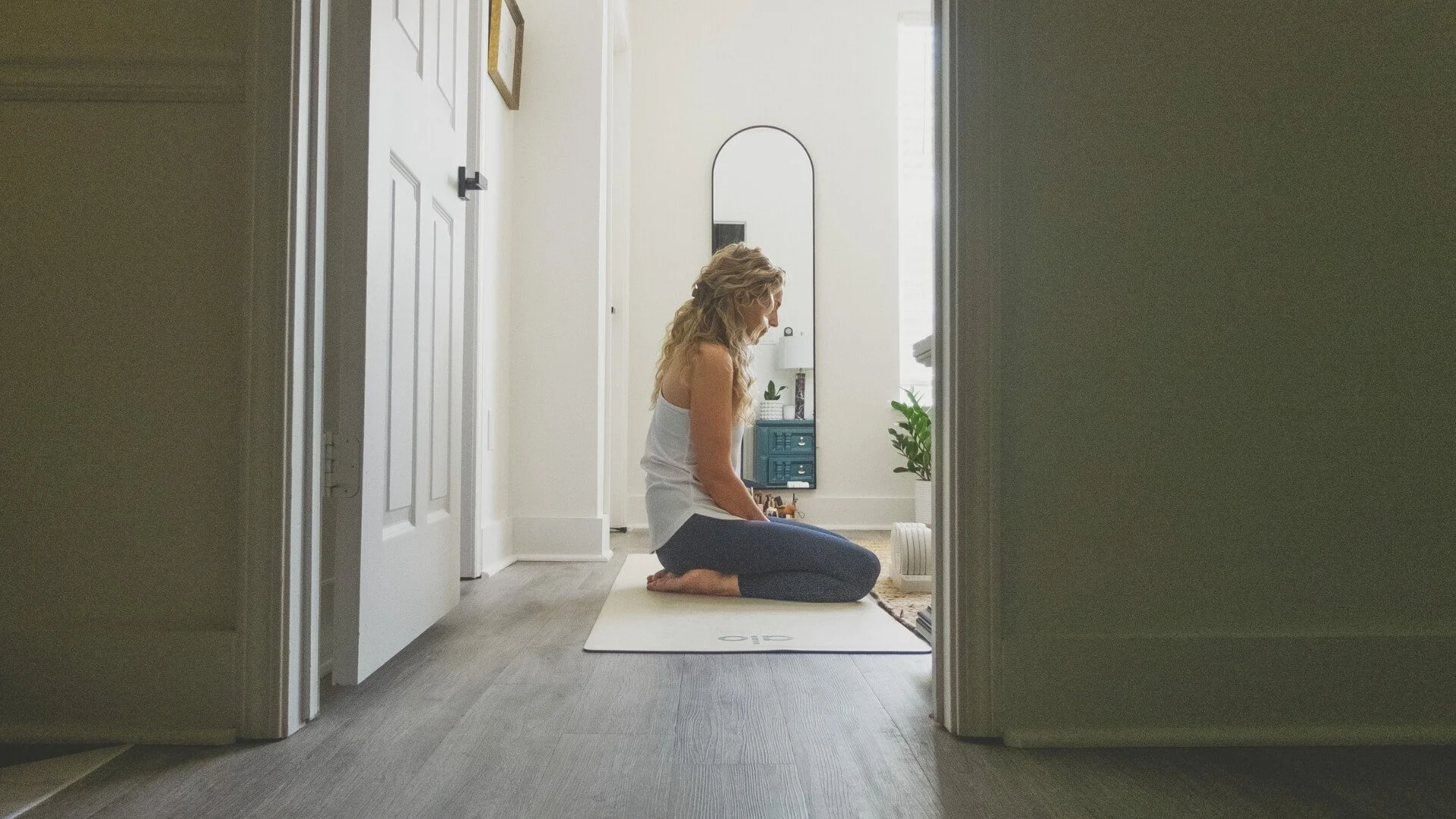
Should you work out when you have very low energy?
Honestly? Sometimes the answer is no. Some days full rest is exactly what my body needs, and now I view resting on those days as not failing. It's part of the plan.
But there's a difference between a day when I'm completely fatigued and a day when I'm just a little sluggish. On the sluggish days, a little gentle movement is often what I reach for because it helps me so much.
So before I decide, I do a really quick check-in:
Did I sleep badly?
Am I already stressed, or have I been on my feet all day?
Have I eaten enough?
Do I feel foggy, shaky or heavy?
These are my own signs that I may be too tired to work out. If most of those answers are "yes," it's a rest day or a very small day. If it's just a bit of tiredness, I pick something gentle and short. And if my body says "no" partway through, I listen.
How I decide what to do on a low-energy day
I stopped treating my plan like a contract. These days I give myself a few options and choose the right one when the day actually gets here:
My planned workout, if I feel up to it.
The low-energy version of that workout.
A few minutes of movement or a stretch, and call it done.
Rest, and move the workout to another day.
All four count. That was the hardest part for me to accept, honestly, but it was the part that changed me the most.
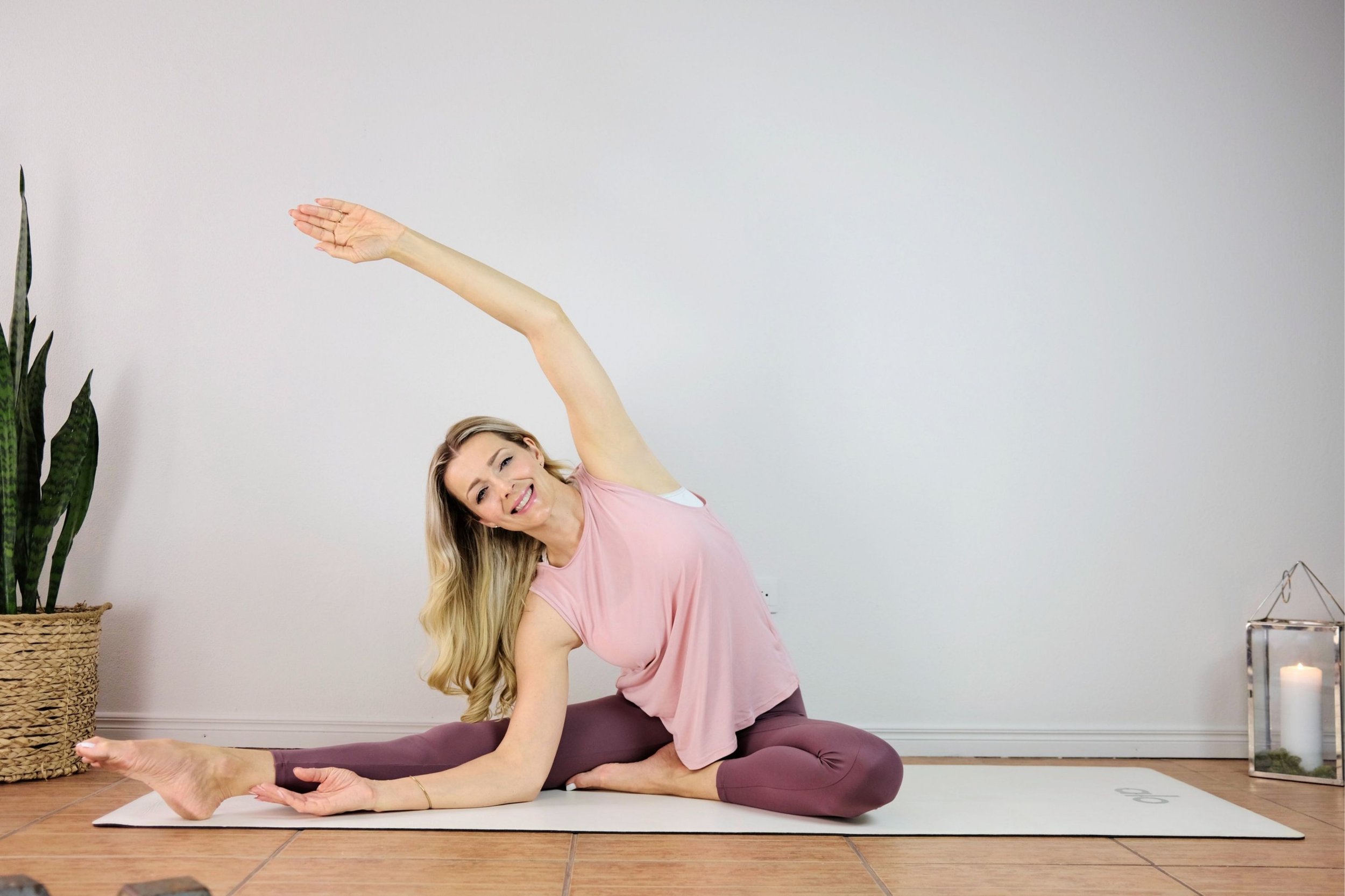
5 low energy workout ideas I actually use
These are the kinds of sessions I reach for on low-energy days. None of them are about pushing. They're about moving in a way my body can say yes to.
1. Seated or lying-down stretches
The cozy kind, not the forced kind. Stretching makes up a big part of what I do on really tired days, and it's one of the most-used kinds of workout in our library.
2. A slow walk or marching in place
A few minutes of easy walking, indoors or out, or marching in place while you're doing everyday things around the house. No pace or certain number of steps to hit.
3. Short, seated strength work
Small arm and leg movements while sitting, with light weights or none. Just enough to feel your muscles working, then stop.
4. Breathing with small, gentle movements
Slow breathing paired with small arm or leg movements. It's something you can do in bed or on the couch on the heaviest days.
5. A short low-energy workout video
This is the reason our library has workouts from just a few minutes long, and playlists sorted by time and by how you're feeling. On a low-energy day you shouldn't have to search for something doable.
Low energy workout at home: what you need
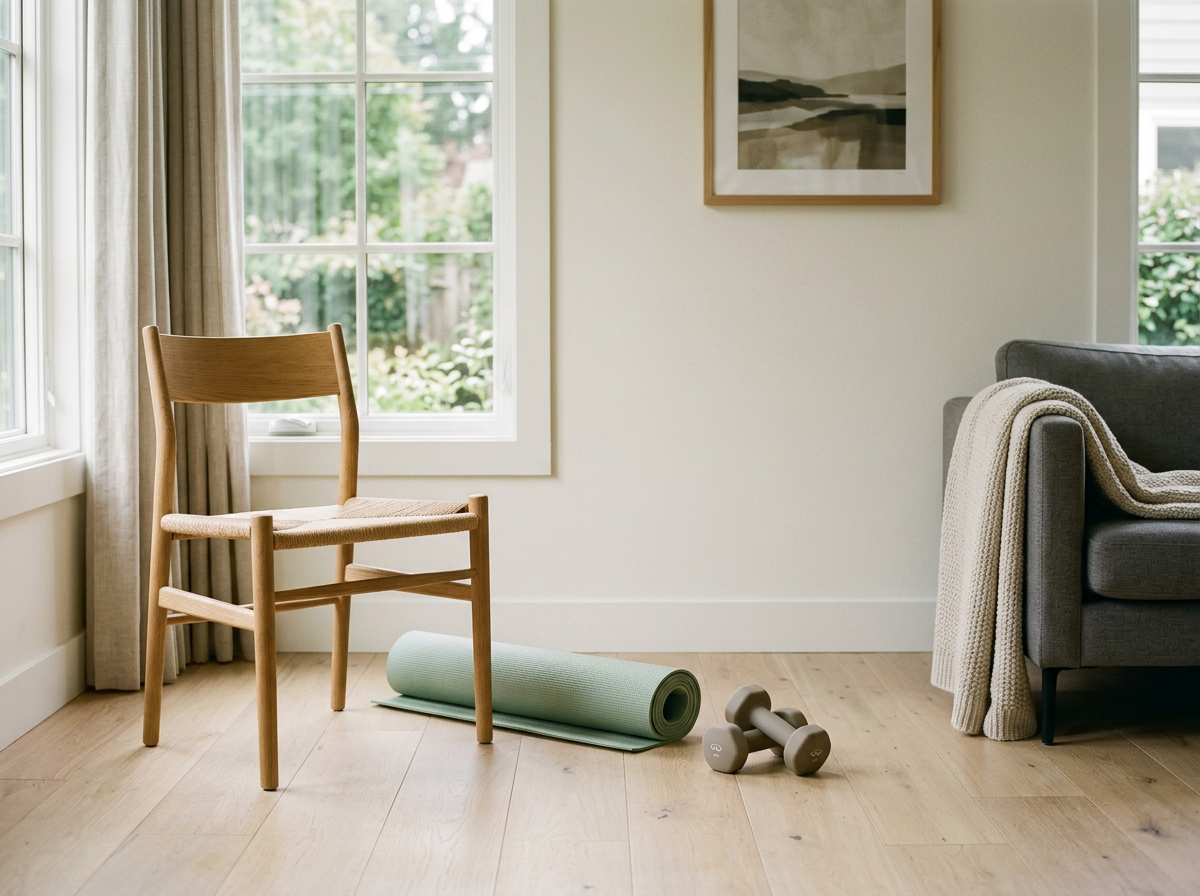
Very little. A chair, a mat and a pair of light hand weights cover almost everything, and household items work fine as substitutes. You can choose from all seated floor work routines to all standing routines if that is needed. Just pick the position that feels steady for you that day.
The biggest thing you need is permission to keep it small. Finding the balance between rest and movement looks different for everyone, and it can look different for you from one day to the next.
Is 10 minutes of exercise enough? (What about 2 minutes?)
I used to think anything short didn't count. Then, during a really fatigued stretch, I built myself a program of 10-minute morning workouts, simply as a way to keep moving. What I didn't expect was how much easier it was to keep going when the bar was that low.
Here's what I believe now. If you press play, move for two minutes and then stop because your body says "that's enough," you didn't fall behind. You stayed consistent. And consistency, even short, even imperfect, is what I've been able to build on over time.
When I stopped feeling guilty about doing "less," my body actually started allowing me to do more over time. Which is wild. 😄
Why don't I feel better after exercise?
This was my story for years. I'd have a good day, think "Okay, we're back, let's go," and do a harder workout than I'd done in weeks. Then I'd spend the next few days paying for it, and I'd start over again. It was a vicious cycle.
What really changed for me wasn't finding a harder workout or a magic routine. It was simply a change in mindset around how I handled exercise: learning to stop before I felt wiped out, to be especially careful on my good days, and to judge a workout by how I felt later that day and the next morning, not just during it.
Please note that If exercise has been leaving you worse off for a while, that isn't a sign you're lazy or not trying hard enough. It could be the type and amount are just too much for your body right now. It's worth talking over with your doctor or clinician if you have concerns.
Stop comparing today to what you used to do
It can be really humbling to notice your new limits, especially when you remember what you used to do, or see what other people can do without paying for it afterward. It makes you want to push through just to feel like a small resemblance of your old self.
I get it. But every time I tried to force my body to do what it wasn't ready for, I ended up further back than where I started. Our brains remember what we used to handle. Our bodies live in the present. Finding a symbiotic way to connect the two is so important.
Your body can still do amazing things. It may just need to do them at a different pace and in a different way.
Find the time of day that works for your energy
I used to always work out first thing in the morning, so I could "get my day started right." But after a lot of crashes I realized mornings are when I feel the absolute worst. Anyone else?
So I changed it. Now I go slow physically most of the day, rest when I need to without guilt, and do my workout later on, when I tend to feel better. Even though I feel so much better now, sometimes it's still only five minutes. Most of the time it's longer. The point is that I stopped fighting my own energy pattern and started working with it.
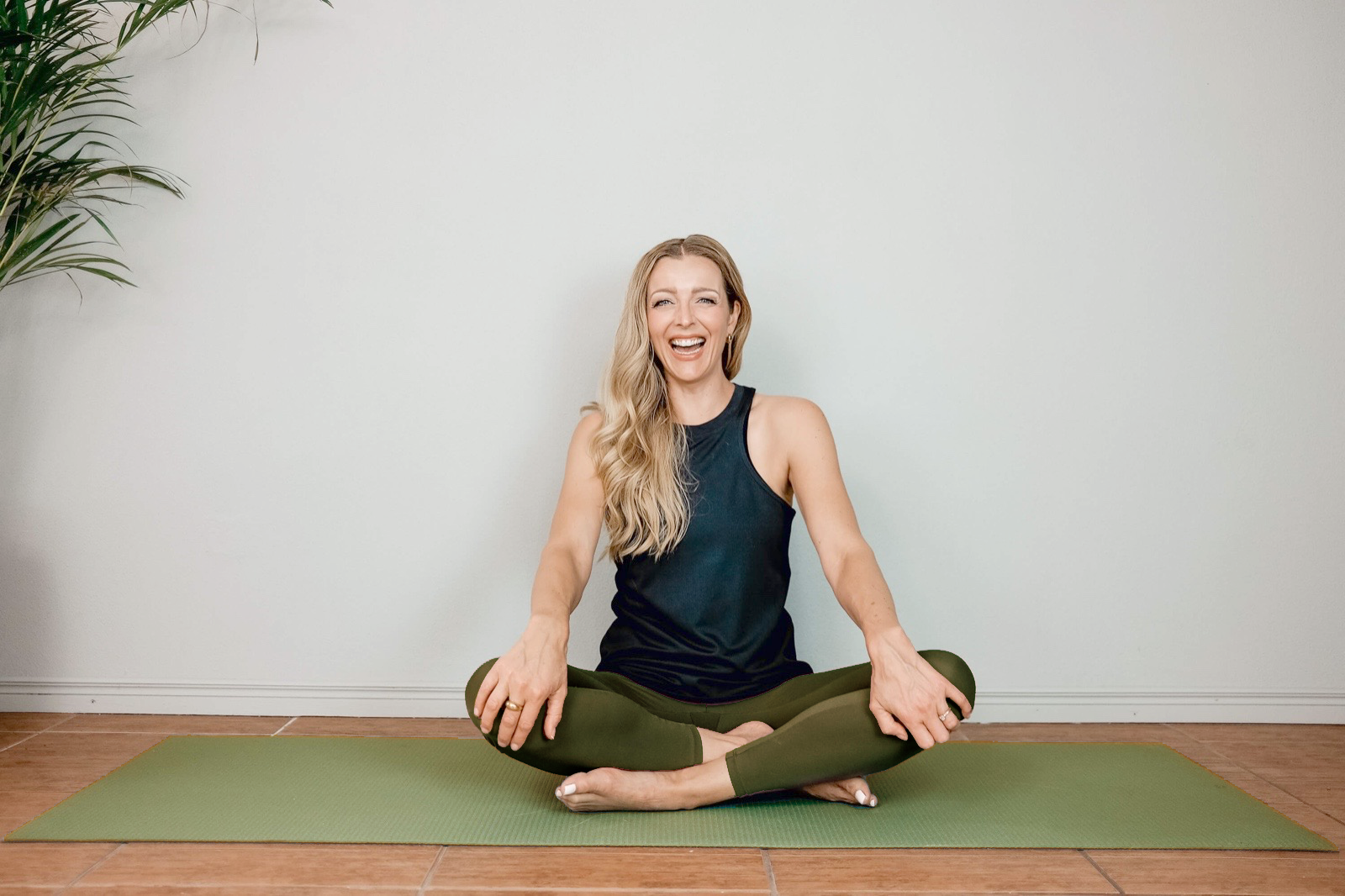
Start where you are
You don't have to wait until you have full energy to move. You just have to start from where you are, with kindness, patience, and no expectations.
If you'd like some help knowing where to begin, my free No-Crash Fitness Guide comes with two 10-minute workouts: a regular version and a lower-energy version, so you can pick the one that fits the day. Try a free workout
And if you live with chronic fatigue, you might also like to read how my workouts are built for people with chronic fatigue.
One day at a time.
— Suzanne
About Suzanne. Suzanne is a certified personal trainer and group fitness instructor since 2010 who lived with fibromyalgia and chronic fatigue for decades. After years of workouts that left her feeling worse for weeks, she built the Cocolime Method to be the training she could actually keep doing consistently with incredible results. Read her story.
Cocolime Fitness is a movement and fitness library, not physical therapy or medical treatment. Please talk with your clinician about what's right for you.